

Helping people uncover why Christianity stopped feeling believable — and why Jesus Christ still speaks to reality.
Why Christianity stopped feeling believable
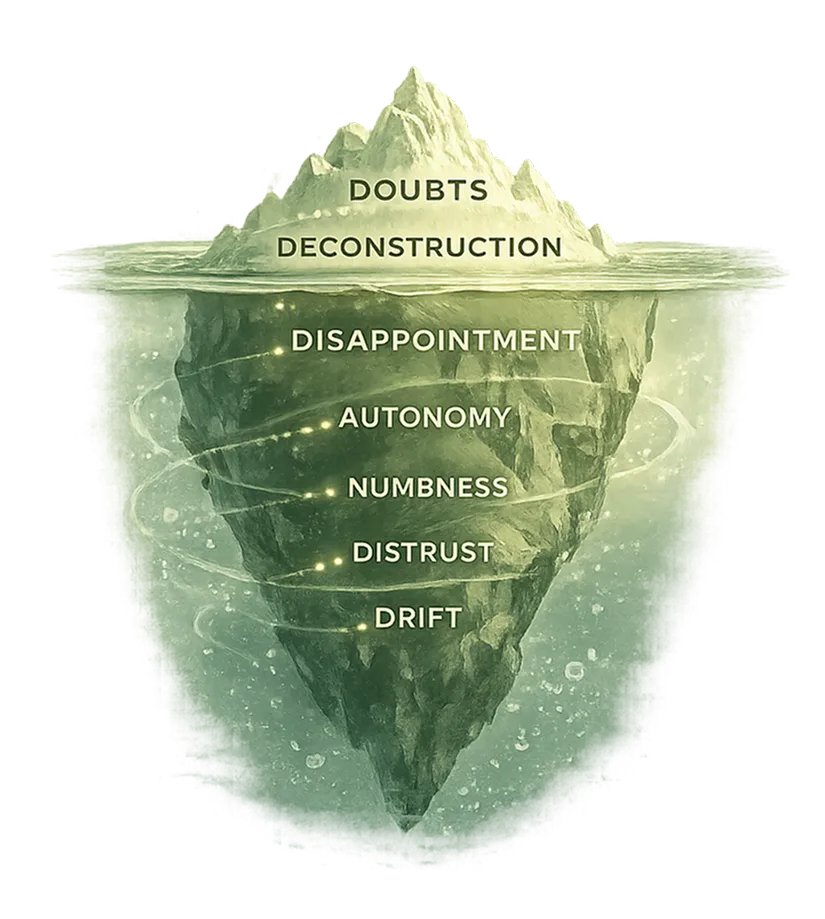
Modern people rarely drift from Christ through one argument alone. More often, they are shaped by stories, wounds, distractions, desires, disappointments, and assumptions that slowly make faith feel implausible, restrictive, or unnecessary.
This platform exists to help uncover what is really happening beneath doubt, drift, and deconstruction — and to point back to Jesus Christ as the centre of reality.

You may be here if faith has become harder to hold

Many walk away from Christianity after encountering confusion, hurt, or shallow forms of faith, not after deeply wrestling with the person of Jesus himself.
You may still feel some pull toward Jesus, but something has changed.
Maybe Christianity no longer feels vivid or central.
Maybe church became tangled with disappointment, hypocrisy, or pressure.
Maybe your questions grew, but the answers around you felt shallow.
Maybe modern life has trained you to live as though God is unnecessary.
Maybe you are not sure whether you are doubting Christ, reacting to distortion, or simply going numb.
You are not the only one.
Many people are not leaving Christianity because they carefully disproved it. They are drifting through deeper patterns they do not yet know how to name.
The problem is often deeper than doubt
For many people today, the issue is not simply intellectual disbelief.
It is practical secularism — the quiet formation of a life in which God becomes unnecessary, Christian faith becomes implausible, and the self becomes the final authority.
That drift rarely happens all at once.
It happens through:
distraction
plausibility erosion
moral tension
institutional disillusionment
emotional numbness
identity instability
intellectual destabilisation
spiritual disappointment

What looks like “losing faith” is often the surface expression of deeper stories shaping how reality is being interpreted.
This platform is built to name those stories, expose their false promises, and guide people back to Christ.
People do not only leave through arguments. They drift through formation.

Modern unbelief is often less a conclusion than a condition.
People are formed by a world that tells them:
Freedom is found in self-rule
Identity must be self-created
Meaning comes from achievement, romance, comfort, or authenticity
Therapy can replace repentance
Technology can replace transcendence
Normal life is enough
Over time, these stories become more believable than the Christian story.
That is why apologetics today must do more than answer objections.
It must also uncover the false foundations underneath them.
There are patterns beneath drift, doubt, and deconstruction
Not everyone drifts for the same reason.
Different people leave through different pathways.
This framework helps identify the dominant pattern beneath the surface.
1. Plausibility Erosion
Christianity slowly stops feeling real, central, or necessary.
2. Emotional Numbness and Drift
Faith is not consciously rejected. It simply fades through distraction, exhaustion, and spiritual dullness.
3. Institutional Disillusionment
Trust collapses because Christianity became associated with hypocrisy, politics, manipulation, or shallowness.
4. Moral Autonomy Conflict
Christianity begins to feel intolerable because it confronts the self’s desires, identity claims, or moral independence.
5. Intellectual Destabilisation
Questions around truth, history, Scripture, evil, and science begin to unsettle the structure of belief.
6. Identity Fracture
Questions of selfhood, worth, belonging, sexuality, and meaning begin to destabilise faith.
These pathways often overlap.
The goal is not to reduce you to a label, but to help name what may actually be shaping your relationship to Christianity right now.
If the problem is misnamed, the response will miss
A person may say they have “intellectual doubts,” while the deeper issue is disappointment, autonomy, numbness, or distrust.
John D

Another may say they are “deconstructing,” when what they are really doing is trying to separate Christ from shallow religion.
unreal.
Sarah M
Another may feel they have simply “moved on,” when in reality they have been slowly discipled into a world where transcendence feels unreal.
Sarah M
That is why diagnosis matters.
This framework is built around four deeper questions that sit underneath every worldview:

Four Questions
Authority — Who has the right to define what is true and good?
Identity — Who are you, and what gives you worth?
Meaning — What is life for, and what makes it matter?
Salvation — What are you trusting to rescue, heal, justify, or complete you?
These questions help reveal what is happening beneath the surface.
This is not a generic faith-and-culture site
This platform exists to do four things:
1. Diagnose - Identify the deeper pathway beneath doubt, drift, or deconstruction.
2. Expose - Reveal the false stories, rival gospels, and secular assumptions shaping belief.
3. Reframe - Present the biblical story as the truer account of reality, identity, meaning, and salvation.
4. Lead to Christ - Bring everything back to Jesus Christ — not as a vague spiritual option, but as the truth at the centre of reality.
These questions help reveal what is happening beneath the surface.
This is not about vague spirituality. It is about Jesus Christ.
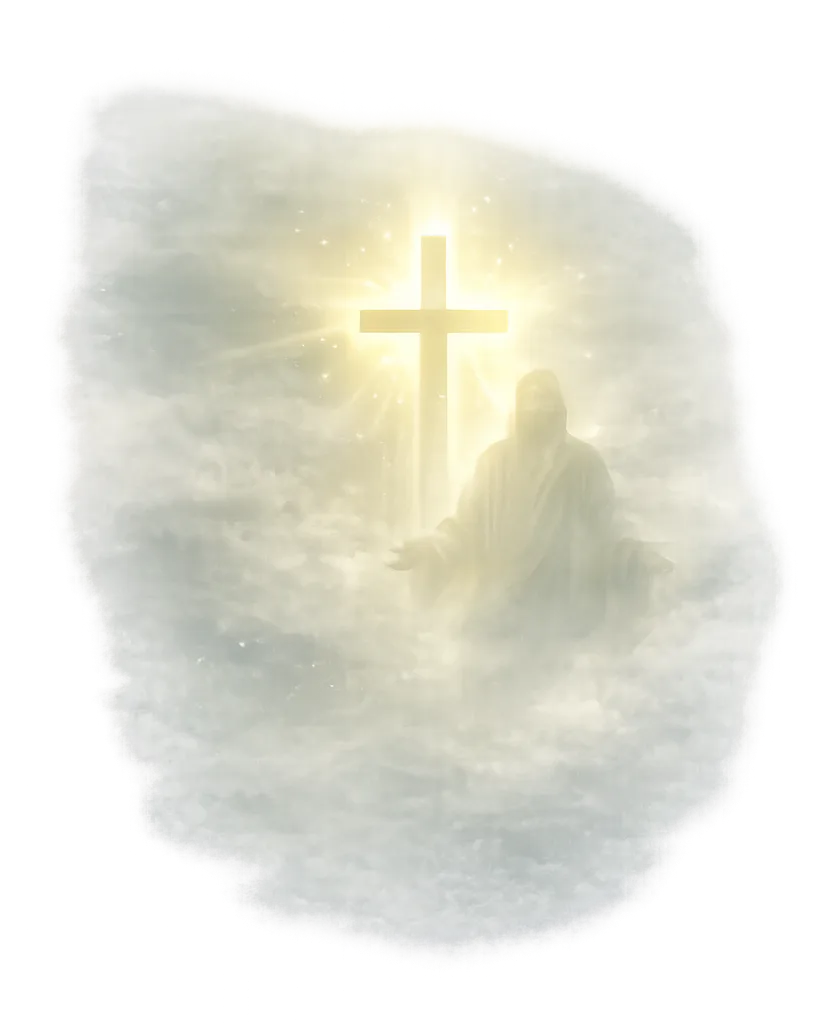
The goal of this platform is not endless analysis, abstract worldview talk, or generic encouragement.
It is to expose false foundations, reveal the true human condition, and point people to Jesus Christ.
Christianity stands or falls on Him.
If Christ has not been raised, faith is empty.
But if He has, then He is not merely one option among many. He is Lord, truth, judge, redeemer, and the only one who can bear the weight of human identity, meaning, guilt, suffering, and hope.
This platform exists because many people are not rejecting Christ directly. They are losing sight of Him through drift, distortion, disappointment, and secular formation.
The aim is to help clear that fog.
Who this is for
This platform is especially for:
Drifting Christians
Deconstructing Christians
Wounded ex-Christians who still ache spiritually
People for whom Christianity has become implausible, but not yet impossible
Those who sense something is wrong with modern life, but cannot yet name what it is
It is not built for shallow debate or performative argument.
It is built for people who want honesty, clarity, diagnosis, and a path back to what is real.
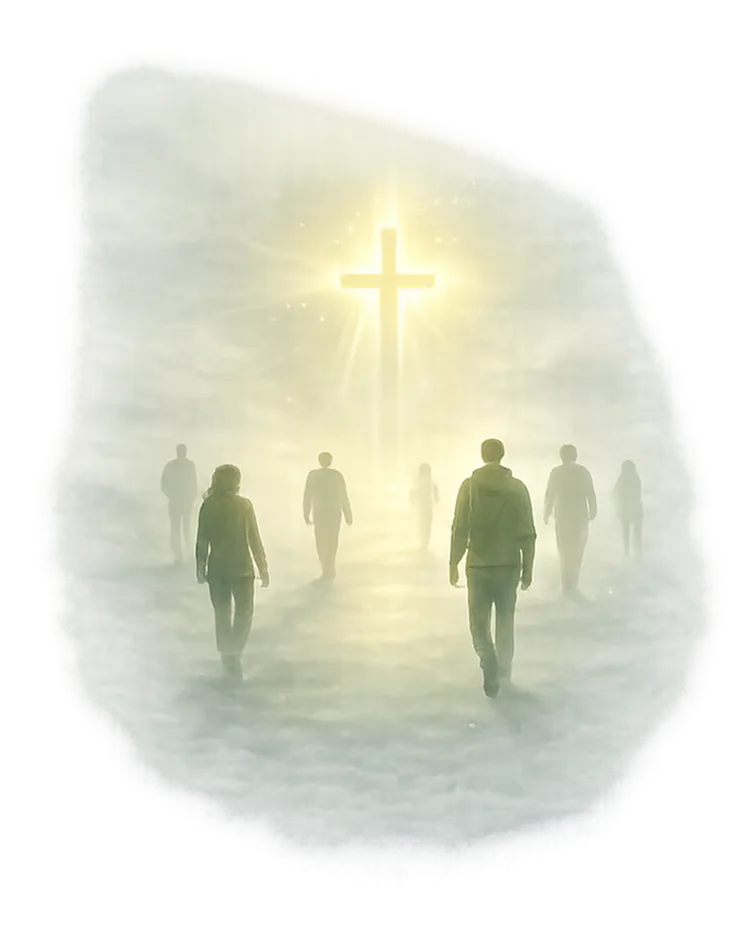
Why faith can start to slip
Many Christians do not lose faith all at once. More often, they drift through deeper patterns they do not yet know how to name. This framework exists to help make those patterns visible and guide people back to Jesus Christ.
Why faith does not usually disappear all at once
For many people, faith does not collapse through one decisive moment. It fades gradually.
What looks like sudden deconstruction is often the visible end of a much longer process. A person may still attend church, still use Christian language, and still think of themselves as a believer, while something deeper has already started to shift. Prayer becomes thinner. Scripture feels flatter. God feels less immediate. Secular life feels more concrete than spiritual reality. Over time, Christianity begins to feel less like the centre of reality and more like one option among many.
That is why drift can be so hard to recognise. It often feels normal while it is happening.
What may actually be happening beneath your doubt
Not all doubt is the same.
Sometimes the stated issue is intellectual, but the deeper issue is disappointment, numbness, moral tension, or quiet secular formation. Sometimes a person thinks they are rejecting Christ, when they are actually reacting to distortion, hypocrisy, or shallow religion. Sometimes they think they have simply “moved on,” when what has really happened is that another story has slowly discipled them.
Faith can start to slip through pathways like:
- plausibility erosion
- emotional numbness
- institutional disillusionment
- moral autonomy conflict
- identity instability
- intellectual destabilisation
- trauma associated with spiritual authority
If the problem is misnamed, the response will miss. That is why honest diagnosis matters.
The four deeper questions beneath faith drift
Beneath most drift, doubt, and deconstruction are four deeper questions.
Authority — Who has the right to define what is true, good, and real?
Identity — Who are you, and what gives you worth?
Meaning — What is life for, and what makes it matter?
Salvation — What are you trusting to rescue, justify, heal, or complete you?
These questions help uncover what is really shaping a person’s relationship to faith. A person may say they are struggling with Christianity, but underneath that struggle may be a shift in what they trust, what they love, what they fear, and what they believe will save them.
This framework uses those questions to move beneath the surface and name the deeper story at work.
Why this is not just about arguments
Arguments matter. Truth matters. The historical claims of Christianity matter.
But many people today are not drifting only because of formal objections. They are also being shaped by a culture that teaches them to live as though God is unnecessary. They are being formed by autonomy, comfort, distraction, self-definition, achievement, and therapeutic self-protection. Over time, these things do not just affect what people think. They affect what feels believable, desirable, and real.
That means apologetics today must do more than answer objections. It must also expose the rival stories shaping the heart, the imagination, and the moral life.
The issue is often not only, “Is Christianity true?”
It is also, “Why does Christ no longer feel weighty, necessary, or desirable?”
Why Jesus remains central
This is not a platform for vague spirituality, endless self-analysis, or abstract worldview talk.
It is about Jesus Christ.
The goal is not merely to help people understand their drift. It is to help them see why false stories cannot save, why distortions of Christianity are not the same thing as Christ, and why Jesus still stands at the centre of reality. He is not one spiritual option among many. He is the one through whom truth, identity, meaning, repentance, grace, and salvation finally hold together.
If faith has become distant, entangled, or difficult to hold, the answer is not found in better self-construction. It is found in returning to Christ.
How this platform helps
This platform is built to do four things.
Diagnose
Identify the deeper pathway beneath doubt, drift, disillusionment, or deconstruction.
Expose
Reveal the false stories, rival gospels, and secular assumptions shaping belief.
Reframe
Present the biblical story as the truer account of reality, identity, meaning, and salvation.
Guide back to Christ
Bring everything back to Jesus Christ — not as a comforting add-on, but as Lord, truth, and saviour.
The first step is not pretending everything is fine.
It is naming what is really happening.
Find out what is really happening beneath your doubt, drift, or deconstruction
You may not be losing faith for the reason you think.
Take the diagnostic to uncover the deeper pathway beneath your doubt, drift, or deconstruction.
Get In Touch
Hours
Mon – Sat 9:00am – 8:00pm
Sunday – CLOSED
Phone
Australia, Mackay, , 4740

Shop: Australia, Mackay 4740
Call 0427839139
Email:
Site: https://ontogenesis.ai